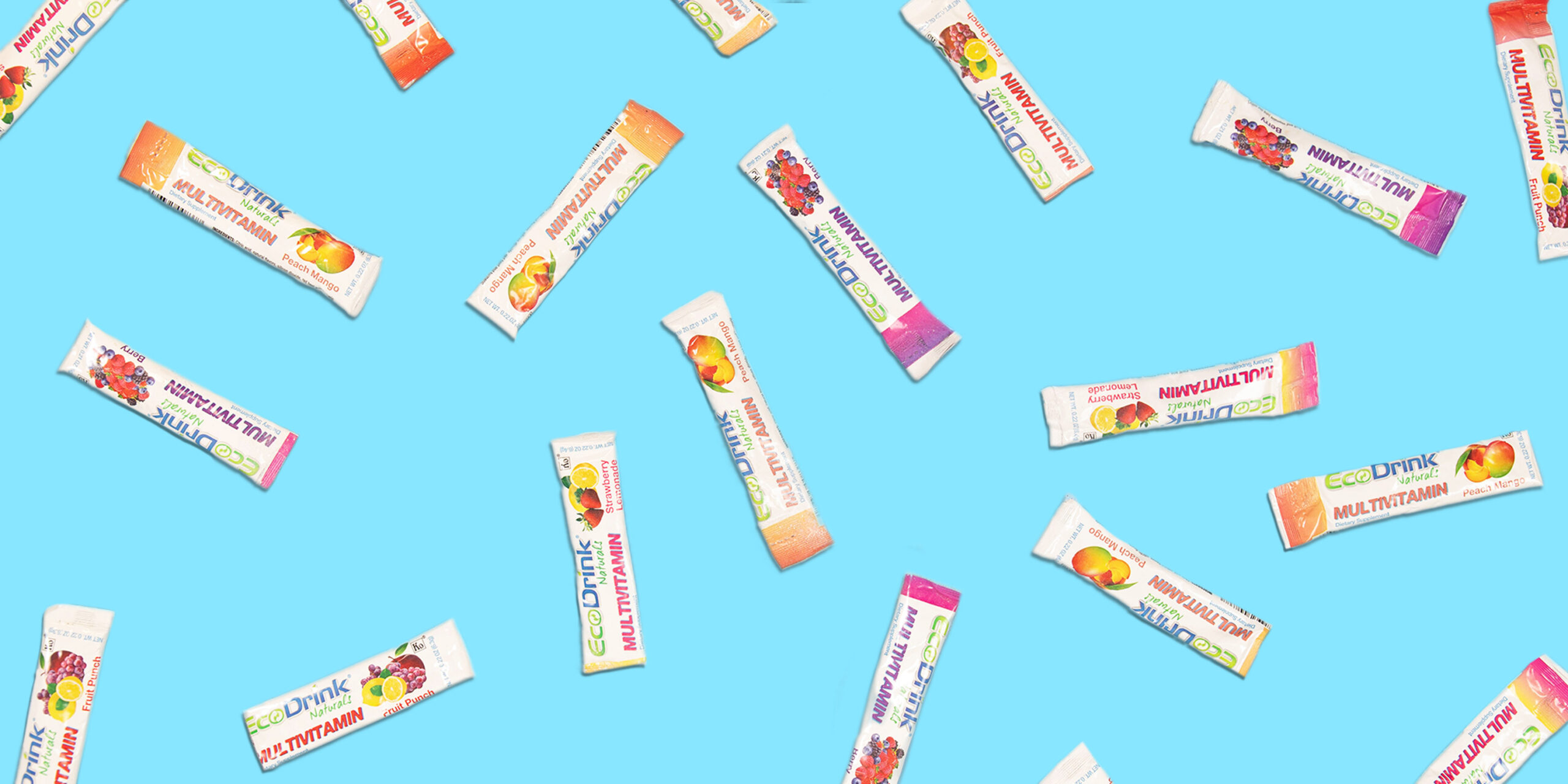
As a leading stick pack supplement manufacturer, we have seen a massive surge in brands moving toward single-serve, portable formats to meet the “on-the-go” lifestyle of modern health enthusiasts.
Choosing between sachet filling and stick packs is an important decision in your product development journey. While both provide excellent barrier protection and portion control, each serves a distinct strategic purpose for your brand’s growth.
The Rise of Stick Pack Manufacturing
Stick packs have become the “gold standard” for powdered supplements and functional hydration mixes. Their narrow, tubular design is engineered for precision and portability.
Precision Dosing and Ease of Use
The primary advantage of a stick pack is its narrow opening, which allows consumers to pour powders directly into a water bottle without the mess often associated with wider sachets.
- Portability: The slender profile slips easily into pockets, gym bags, or wallets, making it ideal for on-the-go immune support and energy boosts.
- Material Efficiency: Stick pack manufacturing typically uses 15% to 40% less film material than traditional sachets, aligning your brand with sustainability and clean-label trends.
- High-Speed Production: Modern multilane stick pack machines can produce up to 800 packs per minute, offering superior unit economics at high volumes.
Sachet Filling: The Versatile Heavyweight
While stick packs excel at powders, sachet filling remains the preferred choice for liquid formulas, gels, and creams. These flat, four-sided sealed pouches offer a different set of strategic advantages.
Maximum Branding and Formulation Flexibility
- Expanded Branding Surface: Sachets offer significantly more printable surface area than stick packs, enabling detailed supplement facts, usage instructions, and logos.
- Higher Fill Volumes: If your functional beverage requires a larger serving size (above 10ml), sachets provide the structural integrity to support higher viscosities and weights.
- Superior Seal Integrity: The four-sided seal is exceptionally robust, making it the safest format for liquid co-packing and sample marketing where leaks must be avoided at all costs.
Strategic Product Development for the On-the-Go Market
The functional beverage trends are leaning toward “Personalized Hydration” and “Holistic Wellness”. To win in this space, your packaging must match the consumer’s “Need State”.
Stick Packs: Optimized for Powders
While modern machinery can produce liquid stick packs, this format is best suited for powders. The narrow opening and tubular shape are specifically engineered for precision pouring into water bottles, making them the primary choice for electrolytes, collagen, and drink mixes.
Sachets: The Better Choice for Liquids and Gels
For liquid formulas, thick syrups, or topical gels, sachets are the superior choice. The flat, four-sided seal provides the structural integrity needed for higher-viscosity products, while the wider format makes it significantly easier for the consumer to squeeze out the entire contents of a gel or cream without residue.
As your turnkey partner, we help you navigate these choices by combining our massive production capacity with patented Aloesorb™ technology to ensure your product isn’t only portable but also clinically effective.
Frequently Asked Questions
Is stick pack manufacturing more cost-effective than sachet filling?
For high-volume production (over 1 million units), stick pack manufacturing is often 8% to 12% more cost-effective due to higher machine speeds and lower material usage. However, sachet filling may have lower upfront tooling costs for smaller, boutique trial runs.
Can stick packs be used for liquid supplements?
Yes, modern liquid supplement manufacturing can utilize stick packs for thin liquids and syrups. However, thicker functional gels and creams are typically better suited for the wider, easier-to-squeeze sachet format.
What are the key sustainability differences between these formats?
Stick packs are generally considered more eco-friendly because they consume up to 25% less packaging film than a comparable sachet. Both formats can now be produced using compostable and recyclable materials to align with clean-label standards.
Which format is better for product sampling campaigns?
Sachet filling is often preferred for sampling because the larger surface area allows for more marketing text, UPC codes, and branding. However, for “trial-sized” powdered drinks, the stick pack supplement is the standard for consumer convenience.