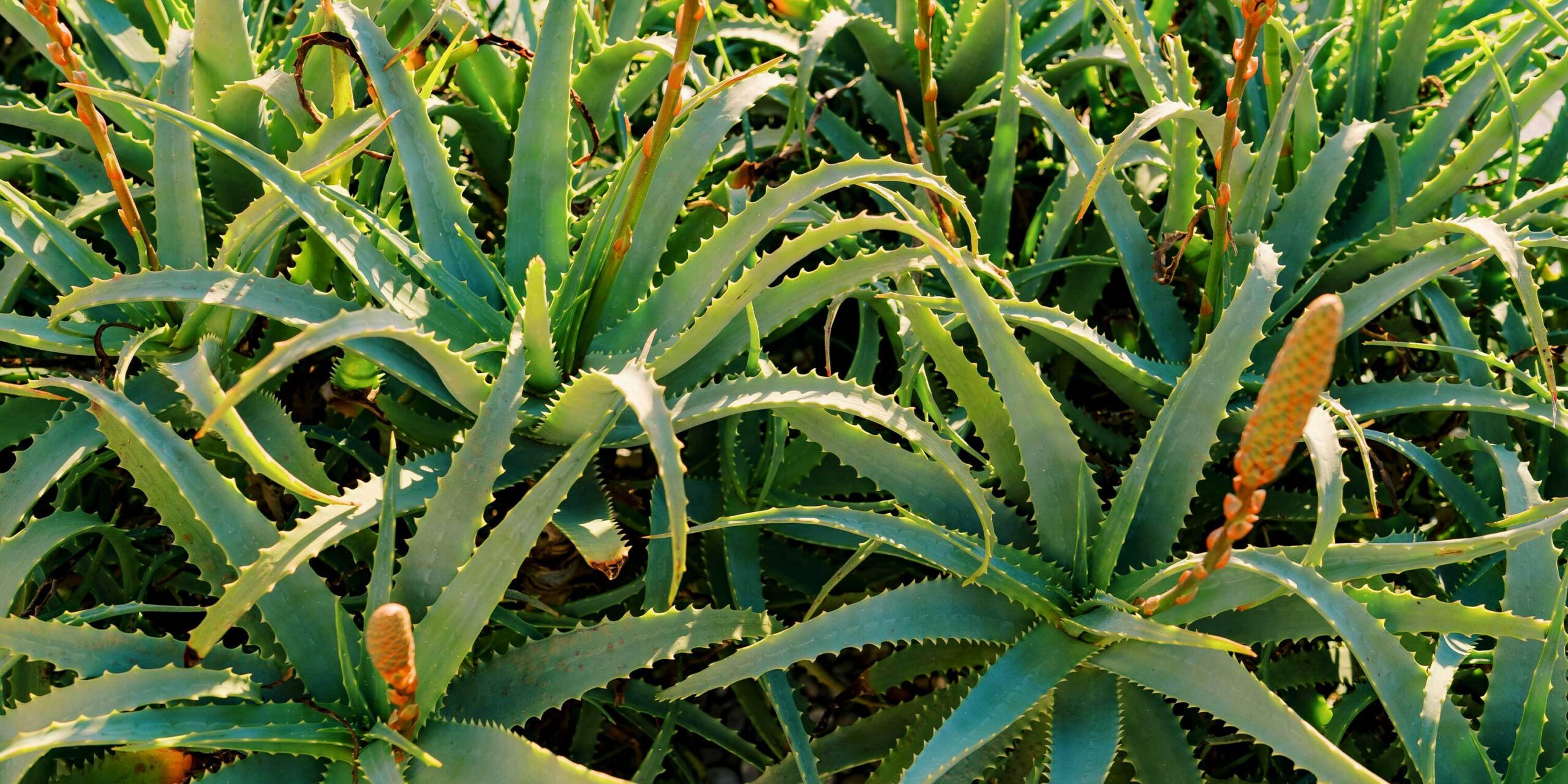
Time for a quick aloe pop quiz: how much do you actually know about what’s inside an aloe leaf? Aloe vera has a long list of naturally occurring vitamins, enzymes, amino acids, and polysaccharides that contribute to its well-known wellness benefits.
That brings us to the two most common types of aloe vera gel you’ll see on shelves: inner fillet and whole leaf. Neither one is “stronger” or “better”, they simply come from different parts of the plant and offer slightly different compositions. Which one you choose really comes down to preference and how you plan to get the full advantages of aloe vera gel in your routine.
Lily of the Desert makes it easy to understand the difference with all-natural aloe vera options that are clearly labeled, purified, and made to fit a variety of wellness needs. So let’s break down what each type actually means and how to choose the one that fits your goals.
Aloe Vera Gel and Gelly: What’s the Difference in Use
Alright, question 2 of our aloe pop quiz: when you think about aloe vera, are you picturing the drinkable gel or the topical gelly? Both come from the same plant, but they’re made for totally different uses and knowing the benefits of each will help you determine what you want to use it for.
Topical Aloe (Aloe Vera Gelly)
Lily’s 99% Aloe Vera Gelly is created specifically for external use.
- It’s designed to help maintain healthy skin and provide surface hydration.
- Its pH is formulated for topical application for the skin, which is why it’s not recommended for internal use.
- Think of it as your go-to skin care product when you want lightweight hydration or calming support.
Drinkable Aloe (Aloe Vera Gel)
Lily’s Aloe Vera Gel is processed for internal use and formulated differently than the topical gelly.
- It contains citric acid to support stability and digestion.
- Many people prefer the thicker consistency because it feels soothing when taken internally.
- It offers natural digestive support and contributes to immune health thanks to aloe’s vitamins, minerals, and polysaccharides.
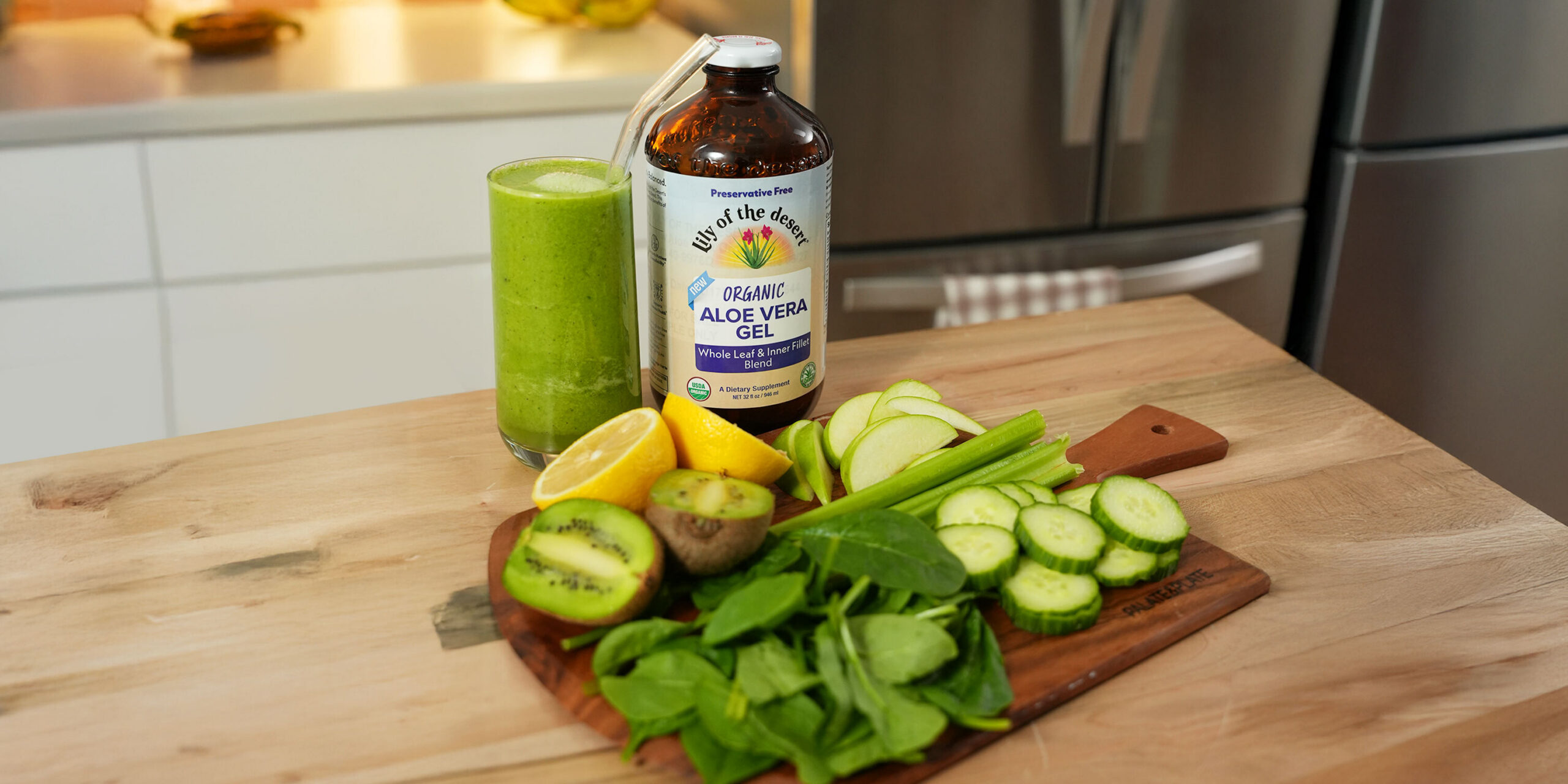
- You can add a small serving to smoothies or mix it into your daily routine for general wellness.
Even with their differences, both versions of aloe serve their purpose. Aloe gelly supports surface hydration, while aloe gel is designed for internal use and processed to remove aloin so it’s safe to drink. And that’s where some of the most meaningful wellness benefits show up. The advantages of aloe vera gel go beyond topical use; drinking it or using it in recipes can support digestion, immunity, and everyday balance in a simple, consistent way.
Now that you know how the two forms differ, we can shift our focus to the drinkable gel itself and break down the next big question: inner fillet or whole leaf?
Understanding Aloe Vera Inner Fillet vs. Whole Leaf
When you see the terms inner fillet and whole leaf, they’re pointing to different parts of the aloe plant and different processing methods; not a “better vs. worse” scenario.
Aloe Vera Inner Fillet
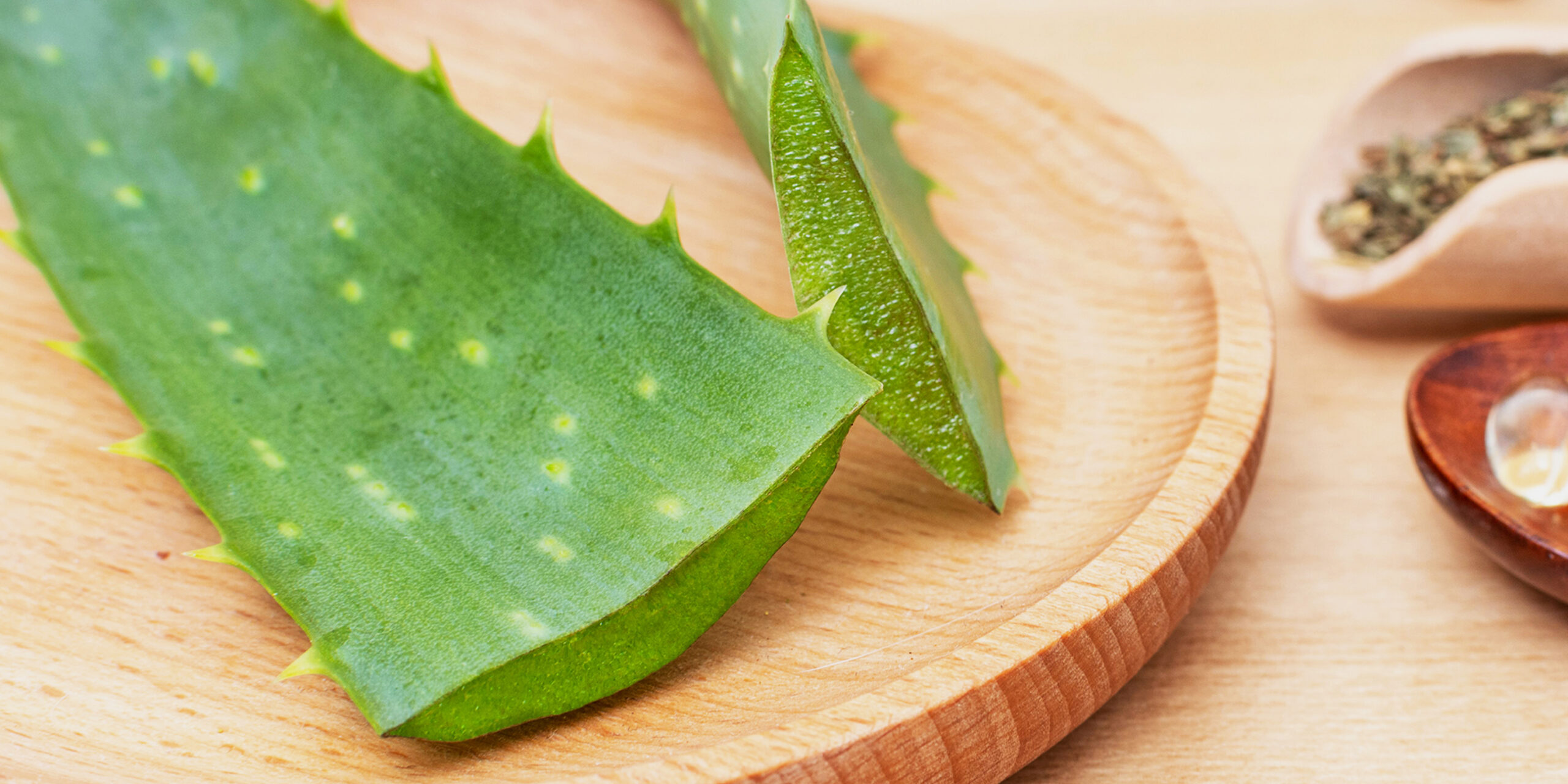
Inner fillet is taken from the clear, inner gel of the leaf. This is the soft center you’d see if you cut an aloe leaf open.
It naturally contains aloe’s well-known polysaccharides, vitamins, minerals, and enzymes; just without the stronger outer components from the rind.
Because it leaves most of the rind behind, inner fillet usually has a milder taste and tends to be a go-to option for people who prefer a gentler internal aloe product.
Aloe Vera Whole Leaf
Whole leaf includes the inner gel plus portions of the outer rind. Since the rind contains additional plant compounds, whole leaf ends up with a slightly broader nutrient profile.
The key difference is processing: whole leaf must go through extra filtration to remove the latex (including aloin), which isn’t something you want in an internal product.
Lily’s filtration process ensures that the latex is removed while still keeping the beneficial parts intact.
What Both Aloe’s Have in Common:
No matter which you choose, both offer:
- Support for digestion
- Immune and whole-body wellness support
- Natural hydration benefits
- The same core aloe compounds Lily is known for, thanks to careful growing, harvesting, and filtration
And most importantly: both are safe for internal use because Lily of the Desert removes the latex/aloin material during processing.
So Which Aloe Vera Should You Choose?
It really comes down to taste and preference:
- Inner fillet is lighter and gentler.
- Whole leaf is a little more robust because more of the plant is included.
Lily of the Desert’s All-Natural Aloe Vera Standards
If you’ve gotten this far in our aloe crash course, here’s the part that actually makes the difference… We grow our aloe organically in the desert of Mexico, where the plants thrive without chemicals or pesticides. Once a leaf reaches maturity, it’s harvested by hand, then moved into refrigerated transport so the nutrients stay intact before processing in Mercedes, TX.
Every batch goes through detailed testing to make sure the quality stays consistent from plant to bottle. Lily is also the only aloe brand with Gold Standard clinical studies and GRAS certification, which basically means our products have been scientifically validated for both safety and real aloe vera benefits.
And because polysaccharides are the real heroes behind aloe’s wellness impact, our team created Aloesorb™, a concentrated infusion of high-quality aloe polysaccharides added back into our products to maximize their functionality. It’s still 100% aloe, just made more efficient through that concentration step.
That combination of organic growing, careful processing, and verified testing is what sets Lily apart and why our aloe is what customers reach for on the shelf.
How to Enjoy Aloe Vera Gel Daily
Aloe vera gel is one of those things that fits into your routine way easier than most people expect. If you’re using it internally, start with two ounces and mix it into something you already drink; your morning smoothie, an afternoon mocktail, or even just chilled water. The goal is to make taking aloe vera part of your day without overthinking it, so you can benefit easily.
If you’re feeling seasonal, aloe pairs perfectly with just about anything. Try adding your two ounces of gel to a fall-forward smoothie, a chai-inspired blend, or a simple fruit mix to give your daily routine a little upgrade without changing the whole recipe.
So… What’s the Best Aloe for You?
At this point, consider yourself officially aloe-certified. You know the difference between inner fillet and whole leaf, you know what each one brings to the table, and you know how both can support your overall wellness when used consistently. Now comes the fun part: finding the version that fits your routine and actually makes you excited to grab your daily aloe.
Explore our full range of organic aloe products and experience the health advantages for yourself.
Disclaimer: These statements have not been evaluated by the Food and Drug Administration. This product is not intended to diagnose, treat, cure, or prevent any disease.